

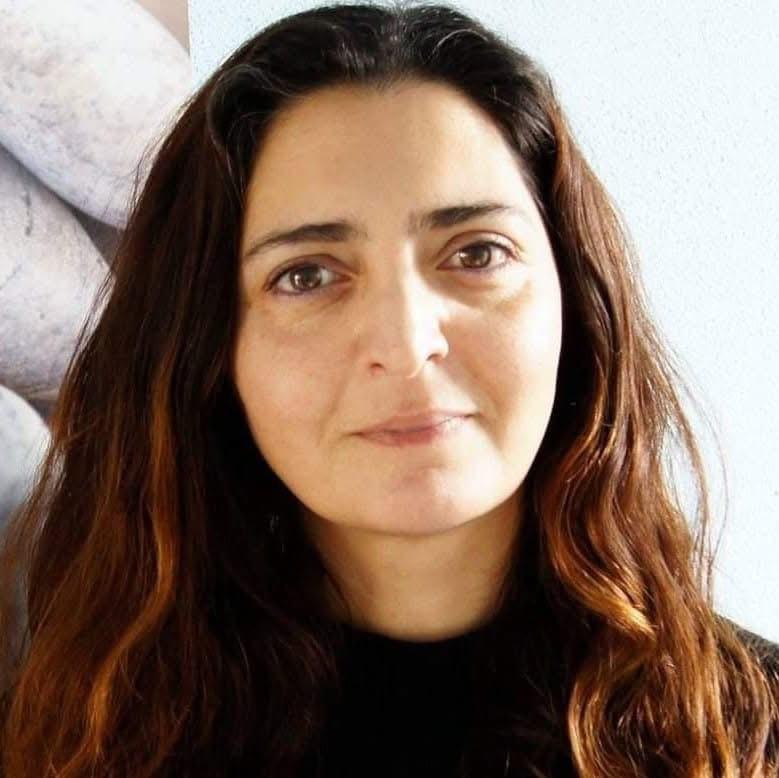
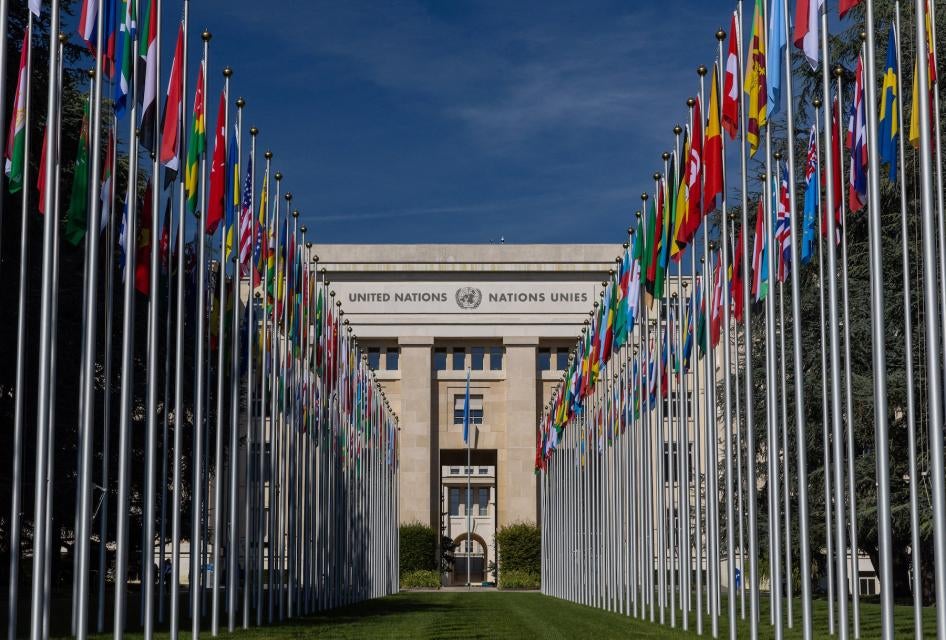
Geneva, 28 November 2025 — During the 18th Session of the UN Forum on Minority Issues, held on 27–28 November in Geneva, the KG Lobby Centre delivered a powerful address underscoring the essential contributions of the Kurdish people to global economic, cultural, and political stability. The speech, presented by Awring Shaways, Founding President of the KG Lobby Centre, focused on the rights of minorities and the urgent need for stronger international recognition of Kurdish rights under international law.
Speaking before UN officials, diplomats, and civil society representatives, Shaways emphasized that minorities are not peripheral communities but central pillars in the fabric of modern societies. “Indigenous peoples and minorities are not merely cultural symbols; they are integral to the economic, social, cultural, political, and institutional structures of states,” she stated, highlighting the Kurdish people as a clear example.
Kurdish Contributions and Inclusive Governance
Shaways drew attention to the Kurdistan Regional Government (KRG) in Iraq as a model of inclusive governance, one that actively promotes political participation for all communities. The KRG administers a diverse population that includes Yazidis, Christians, Sunni and Shia Muslims, and others. Through reserved parliamentary seats and inclusive political mechanisms, the KRG ensures equal representation for all Kurdistani’s, regardless of religious or ethnic identity.
Additionally, she praised the role of the Kurdish Peshmerga forces in safeguarding not only Kurdish territories but global security as well. During the rise of ISIS, the Peshmerga defended vulnerable minority groups and prevented further genocidal violence across the region.
Historical Injustices Still Await Recognition
Despite these contributions, Shaways stressed that the Kurdish people continue to bear deep scars from systematic violence and repression. She cited the Fayli Genocide, the Barzani Genocide, the Anfal campaign, chemical attacks, and the recent ISIS genocide as examples of atrocities that still lack full justice and reparations. Survivors, she emphasized, “continue to wait for truth, recognition, and accountability.”
A Call for International Recognition and Protection
The KG Lobby Centre urged UN Member States to uphold core principles of international human rights law—particularly the right to self-determination, equal political participation, and cultural protection, as enshrined in Articles 1, 2, and 3 of the International Covenant on Civil and Political Rights (ICCPR).
“Kurds, like all indigenous peoples, must be recognized as vital contributors to societal well-being and political stability,” Shaways said. She emphasized that Kurds must be viewed as active participants in shaping their future—not marginalized communities on the side-lines of political decision-making.
Strengthening Minority Rights Through International Partnership
The statement concluded with a strong appeal for deeper international partnership to safeguard the KRG’s achievements, ensure equal access to public services, and support Kurdish cultural and linguistic rights. Shaways stressed that protecting the rights of minorities is key to creating stable and prosperous societies worldwide.
“International partnership is essential to ensuring that all communities can live with dignity,” she declared.
The Forum on Minority Issues continues to serve as a crucial platform for amplifying minority voices and addressing global inequities in representation, protection, and cultural rights.